

Article
Why You Need Great Real Estate Photos
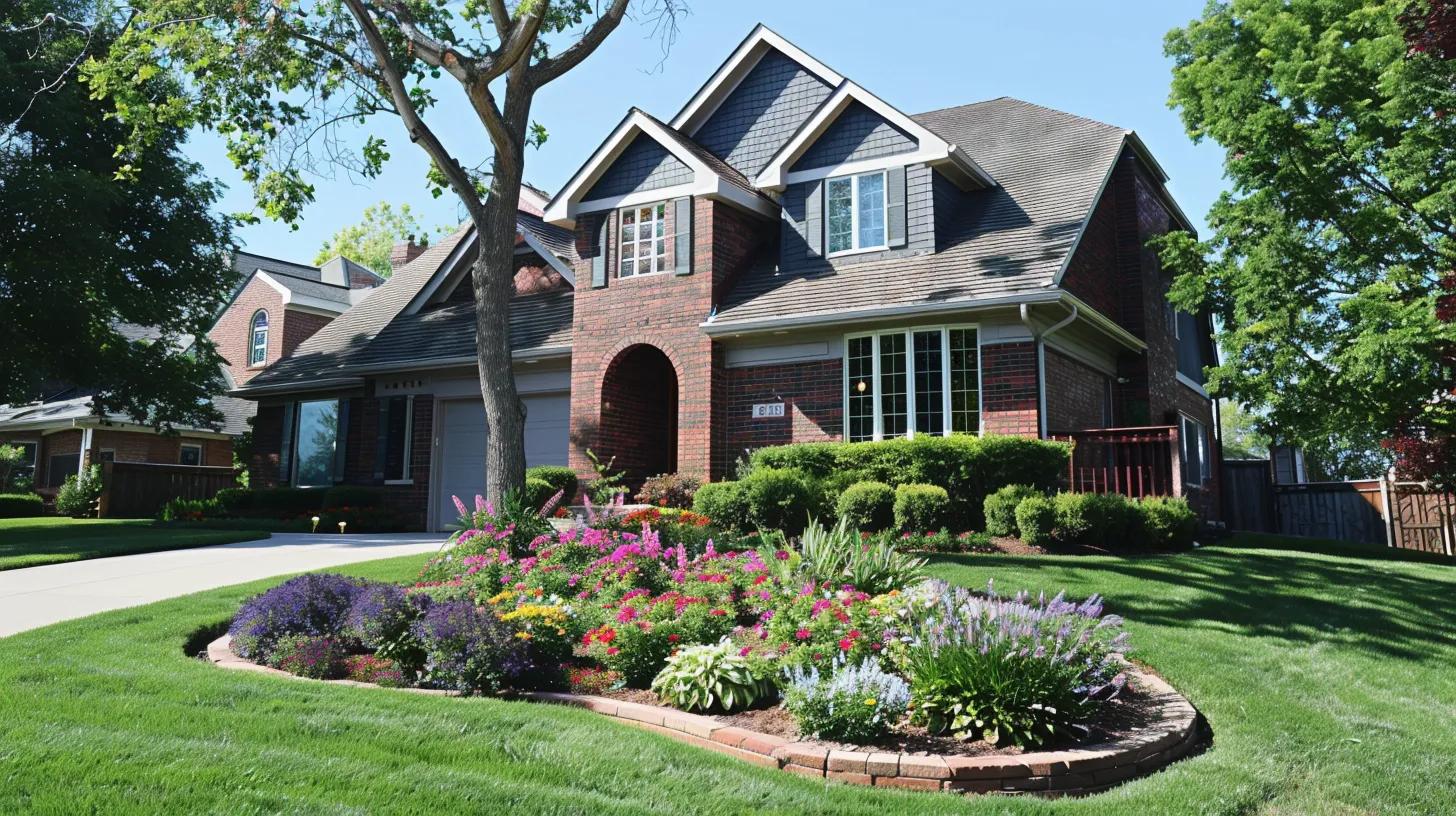
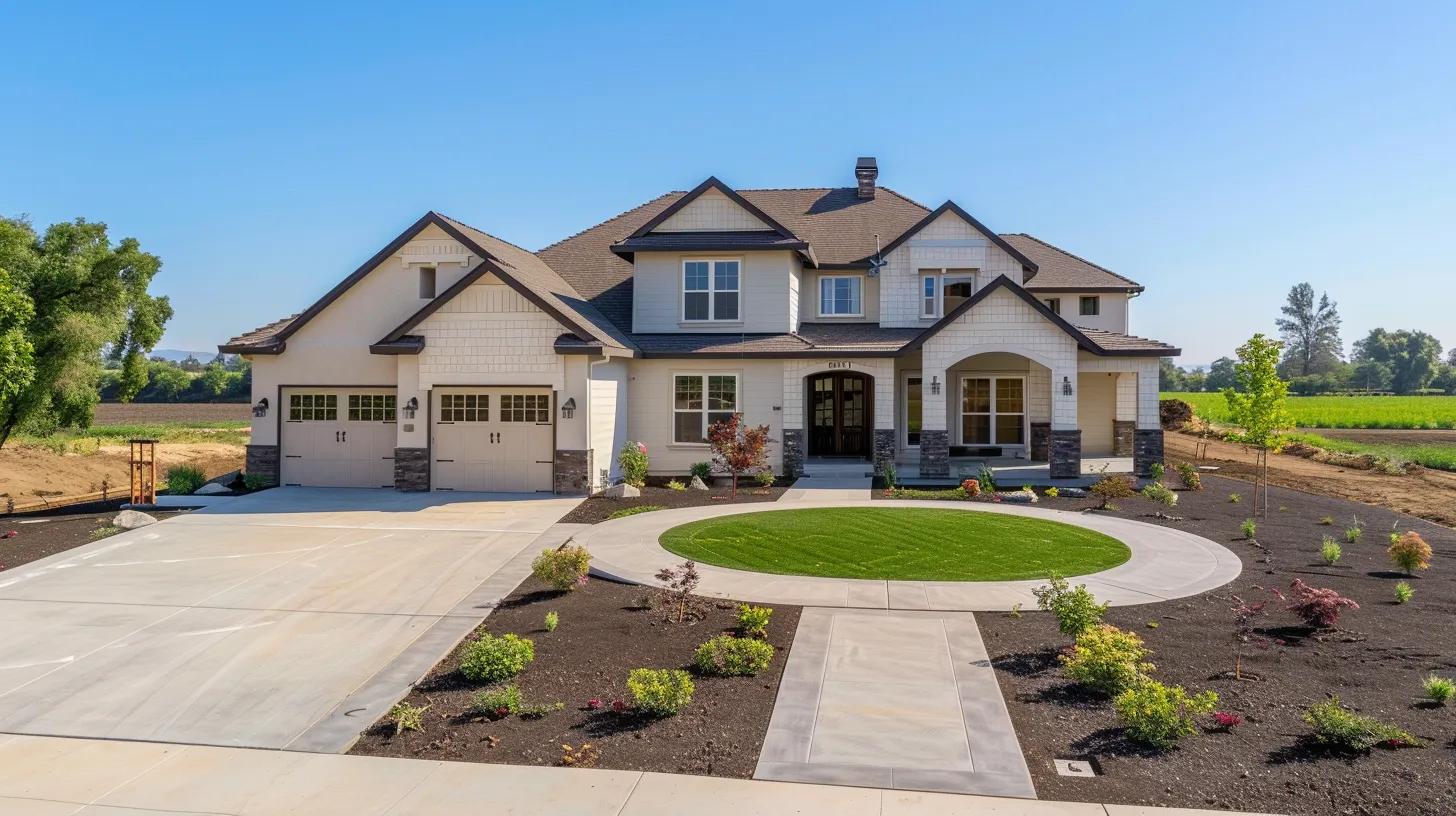
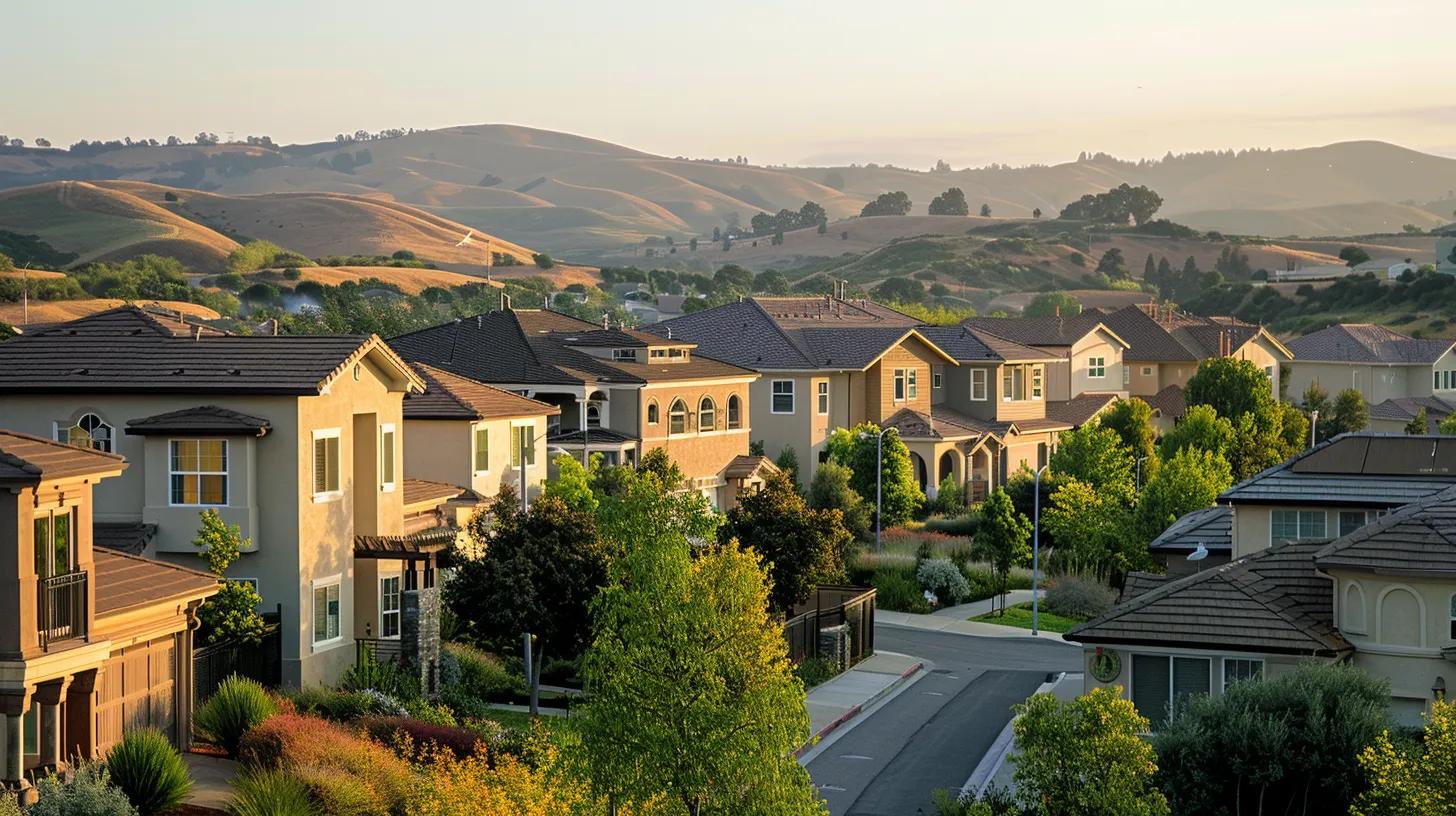
‘A picture is worth a thousand words’ is a very popular quote which often pops up, especially when describing the importance of home listing images. This saying proves to be very true in many aspects of our daily lives, particularly when advertising your home. In the real estate market today, many agents, as well as sellers, make use of quality images of their properties all with the one goal of creating a positive image of the property in the mind of actual and potential customers. Try making sure your pictures speak volumes while grabbing all the attention of potential buyers, especially while they browse over the internet for real estate adverts. Below are some of the reasons why listing photos matter.
Without truly being at the home, a potential buyer or tenant will want to experience being in the house. This is simply because they want to know if the home is a good fit for them and their family.
The availability of a huge online audience means more people can be reached in little or no time. All you need are high-quality photos posted online and you will get a lot more attention and reach more potential renters or buyers than others.
Beautiful images of your property tell buyers that you take good care of your home or investment. Tenants will most likely want an opportunity to occupy such homes because your listing images demonstrate the great care you show toward your property as well as your care for tenants.
As we live in this new technological world, where everything is circled around the internet — with purchased items from grocery stores and supermarkets delivered stress-free to the comfort of your home — people want to see what they’re considering buying for the coming years. Without photos, your listing will disappear in the crowd while buying or renting your home becomes very difficult.
We are here to help you! Reach out to us today!
Related articles
and news
What is the first step in getting a mortgage?
The first step is getting pre-approved. At Smart Home Lending, pre-approval takes as little as 24 hours and gives you a clear picture of your budget, loan options, and buying power before you start shopping. Pre-approval is free, requires no commitment, and shows sellers you are a serious buyer.
How much do I need for a down payment?
Down payment requirements vary by loan type. Conventional loans start as low as 3% down, FHA loans require 3.5% down for borrowers with a 580 or higher credit score, and VA and USDA loans offer 0% down for eligible borrowers. A larger down payment typically reduces your monthly payment and may eliminate private mortgage insurance (PMI). Your loan officer can help identify the program that fits your goals.
How long does the mortgage approval process take?
Pre-approval at Smart Home Lending typically takes 24 to 48 hours. Full loan approval, from application to clear to close, generally takes 21 to 30 days depending on the loan type, appraisal timeline, and how quickly you submit documents. Staying responsive during underwriting is the best way to keep the process on track.
Do I need perfect credit to qualify for a home loan?
No, perfect credit is not required. FHA loans are available to borrowers with credit scores as low as 580. Conventional loans typically require a minimum score of 620. VA loans have flexible credit guidelines with no set minimum from the VA itself. Higher credit scores generally qualify for lower interest rates, so it is worth asking your loan officer whether improving your score before applying makes sense for your timeline.
How are mortgage rates determined?
Mortgage rates are shaped by a combination of market conditions and your personal financial profile. Key factors include your credit score, loan-to-value ratio, loan type (conventional, FHA, VA, or USDA), loan term, and debt-to-income ratio. Lenders also watch broader economic indicators like the 10-year Treasury yield. Rates change daily, so a Smart Home Lending loan officer can give you a real-time quote based on your specific situation.
Are there any hidden fees in the mortgage process?
All mortgage costs are required by federal law to be disclosed in writing on a Loan Estimate, provided within three business days of your application. This document itemizes your interest rate, monthly payment, closing costs, and any lender fees. Smart Home Lending walks you through every line before you move forward, so you know exactly what to expect at closing.
Can I lower my mortgage interest rate later by refinancing?
Yes. Refinancing replaces your current mortgage with a new loan, often at a lower rate, which can reduce your monthly payment or total interest paid over the life of the loan. Refinancing typically makes financial sense when market rates drop at least 0.5% to 1% below your current rate. Your break-even point, meaning the time it takes for monthly savings to cover closing costs, matters too. Smart Home Lending can run a cost-benefit analysis to help you decide if and when refinancing is worth it.
What documents do I need to apply for a mortgage?
Most mortgage applications require a government-issued photo ID, federal tax returns from the past two years, recent pay stubs (last 30 days), two to three months of bank statements, and documentation of any additional income. Self-employed borrowers typically provide two years of business tax returns and a current profit and loss statement. Your loan officer will give you a personalized document checklist based on your loan type and financial profile.
Will I have a dedicated loan officer to guide me through the process?
Yes. Every Smart Home Lending client works with a dedicated loan officer from application through closing. Your loan officer coordinates with the title company and real estate agent, answers your questions, and keeps you updated at every stage. You will always know who to contact and where your loan stands.
What happens after I get pre-approved for a mortgage?
Once pre-approved, you receive a pre-approval letter stating your loan amount and estimated terms, which you can present with offers to show sellers you are a qualified buyer. When your offer is accepted, your loan officer opens the full loan file, orders the appraisal, and moves into underwriting. From accepted offer to closing, the full process typically takes three to four weeks at Smart Home Lending.
What is a DSCR loan and who qualifies?
DSCR stands for Debt Service Coverage Ratio. It is a loan program designed for real estate investors that qualifies borrowers based on the rental income of the property rather than personal income or employment history. A DSCR of 1.0 means the property's rental income covers the mortgage payment exactly. Most lenders look for a DSCR of 1.0 or higher. These loans are ideal for investors building a rental portfolio who want to keep their personal finances separate from their investment activity. Smart Home Lending offers DSCR loans across its licensed states.
Can I get a mortgage if I am self-employed?
Yes. Self-employed borrowers can qualify for the same loan programs as W-2 employees, including conventional, FHA, VA, and USDA loans. Lenders typically use two years of personal and business tax returns to calculate qualifying income, averaging net income over that period. Smart Home Lending works with self-employed borrowers regularly and can help you identify which documentation approach produces the strongest application.
What is the difference between pre-qualification and pre-approval?
Pre-qualification is an informal estimate of what you might be able to borrow based on self-reported income and assets. Pre-approval is a verified review of your credit, income, and financial documents, and carries significantly more weight with sellers and real estate agents. At Smart Home Lending, we recommend getting pre-approved before you start shopping so your offer is backed by a real lender review, not just an estimate.
What states does Smart Home Lending serve?
Smart Home Lending is licensed to broker residential mortgage loans in Arkansas, Colorado, Florida, Iowa, Kansas, Minnesota, Missouri, Oklahoma, and Texas (NMLS #2140357). If you are located in one of these states and are ready to buy, refinance, or explore your loan options, a Smart Home Lending loan officer is available to help.
Can I buy a home with no money down?
Yes, in certain cases. VA loans offer 100% financing with no down payment for eligible active-duty service members, veterans, and surviving spouses. USDA loans also offer zero down payment for eligible borrowers purchasing in qualifying rural and suburban areas. Both programs require meeting specific eligibility criteria. Smart Home Lending can help you determine whether you qualify and walk you through the application.